
I have had many conversations during sessions with people who saw themselves as incompetent, not good enough, or saw their accomplishments as a fluke. The catch is that all of them, and I do mean all of them who brought these concerns up about themselves, were accomplished and capable people- people who had achieved success through their hard work, skill, and a good support system. This made me want to write this article because there has been considerable work done by researchers on imposter syndrome and who is affected by it. Hopefully, this article can be a stepping stone to talking more about imposter syndrome.
Imposter Syndrome has other names, such as imposter phenomenon, fraud syndrome, impostorism, or perceived fraudulence. Still, they all convey similar meanings: it is essentially the feeling of incompetence despite existing evidence of competence (Huecker et al., 2023). The first people to discuss and explain imposter syndrome were Suzanne Imes, PhD, and Pauline Rose Clance, PhD, who observed it first among successful women and other marginalised groups (Clance & Imes, 1978). People who experience imposter syndrome believe they are frauds who managed to achieve a degree of success in their fields not because of their skills but because of luck or chance or a fluke, and they will be “caught” and discovered as frauds.
Who Feels Like an Imposter?

Despite studies showing that women tend to experience imposter syndrome more, new research shows that men can experience it too, and this can be seen among professionals in different fields, and not just in healthcare, as was thought earlier. In fact, researchers have noticed that people of different races and ethnicities can experience this feeling and question their capabilities. Many peer-reviewed papers showed that younger professionals and students might be more susceptible to this feeling more but then again, some papers show that some older adults can continue feeling like an imposter later in their professional life too.
Many of us grow up in different situations, have different financial stability, support systems, and skills, and that means maybe not everybody feels like an imposter, and the differences in how we grew up and currently live may contribute to that.
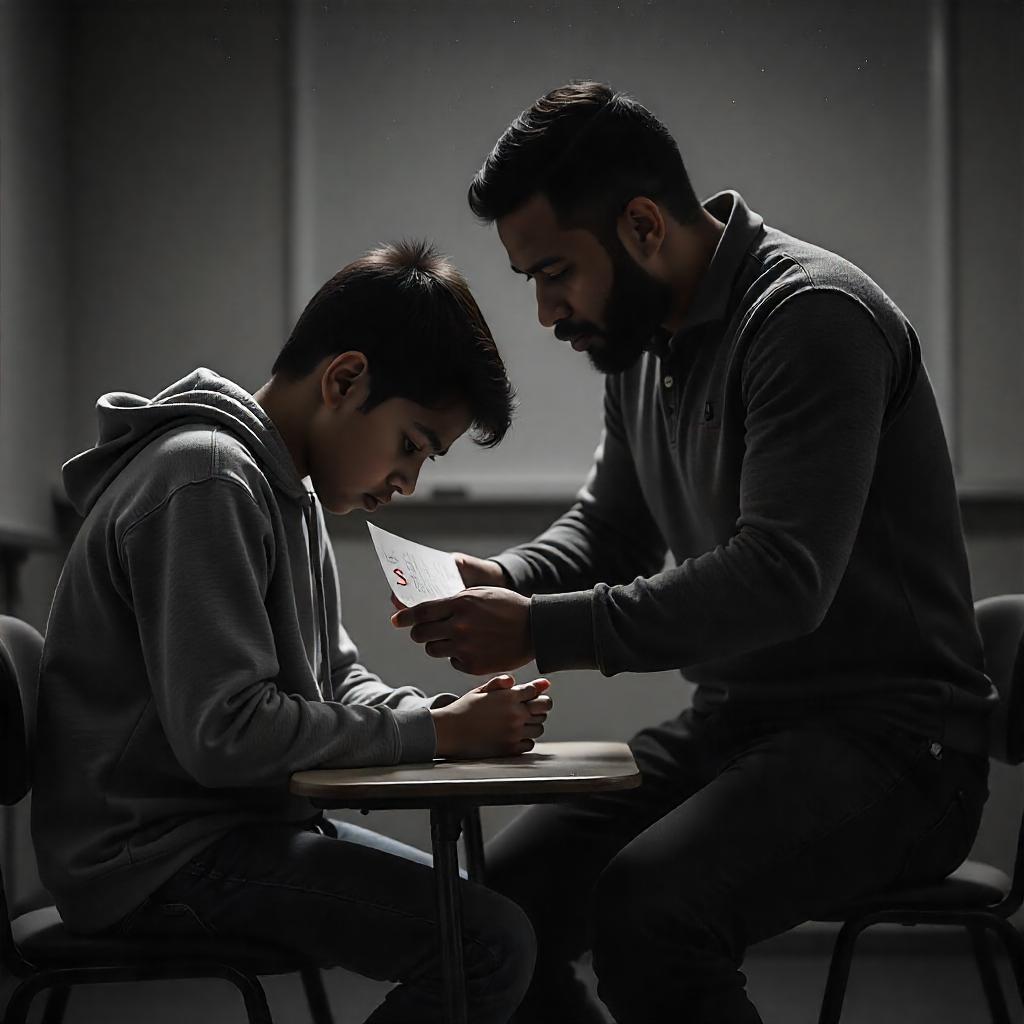
A 2024 review paper highlighted the circumstances that can affect how and when a person feels like a fraud in their profession and divided these into internal and external factors (Saputri & Khoirunnisa, 2024) :
Internal factors:
Our tendency to constantly aim for perfectionism, our self-confidence in our abilities, and our difficulty in adjusting or adapting to changes in demands at our workplace can make us feel like an imposter. We are more likely to experience depression and anxiety at the workplace because we are criticizing ourselves and our work more than others, while some of us who can’t adjust to changing work demands might see a hit on our self-confidence and self-esteem.
External factors:
Our surroundings and the kind of environment we have lived in (and continue to live in) can all influence how we feel about ourselves and our capabilities. Some of us who have grown up in families where our achievements are criticized, where we don’t feel supported, families where there is a lot of conflict and little to no communication among family members, could potentially lead to people experiencing imposter syndrome later in life. Many people also experience extreme competition in academic life, which can make them focus too much on marks, awards, and recognition rather than learning. Poor social support can put a lot of pressure on meeting others’ expectations, which can be a source of stress and conflicts and makes people feel isolated and feeds into imposter syndrome people experience.
Gender differences and stereotypes placed on men and women can affect how seriously professionals are taken in workplaces. Women may also lack representation in leadership roles or male-dominated job roles, which can make them doubt themselves more and focus more on achieving perfection. Hormonal fluctuation during different phases can also affect the mental health of women, causing poor self-evaluation.
What to do about it?

Imposter syndrome can make people feel depressed, isolated, and further push them to develop low self-confidence and self-esteem. Many people think they are the only ones who are ‘frauds’ in their professions, and others are either truly capable or have at least never felt this way about themselves. However, that is not entirely true. According to a 2019-2020 paper (Bravata et al., 2020), anywhere between 9% and 82% of people have reported experiencing imposter syndrome. This is also why we need to work on tackling it more effectively. Most people who experience imposter syndrome feel anxious, self-critical and may experience burnout more often than others.
There is still an absence of proper intervention plans for imposter syndrome, but because this feeling happens hand in hand with depression, anxiety, social dysfunction, low self-esteem, or somatic symptoms, using interventions to help with these emotions might be a good place to start.
Group Therapy or workshops with professionals of different fields may be a good way to destigmatize imposter syndrome and address the isolation that many of them feel.
Imposter syndrome is still a relatively new field of research, with it being first discussed in 1978, and as we research it more, we might be better equipped to help people navigate the experience of feeling like an imposter despite being successful in their fields.
References
Bravata, D. M., Watts, S. A., Keefer, A. L., Madhusudhan, D. K., Taylor, K. T., Clark, D. M., Nelson, R. S., Cokley, K. O., & Hagg, H. K. (2020). Prevalence, predictors, and treatment of impostor syndrome: A systematic review. Journal of General Internal Medicine, 35(4), 1252–1275. https://doi.org/10.1007/s11606-019-05364-1
Clance, P. R., & Imes, S. A. (1978). The Imposter Phenomenon in High Achieving Women: Dynamics and Therapeutic Intervention. American Psychological Association. https://psycnet.apa.org/doiLanding?doi=10.1037%2Fh0086006
Clark, P., Holden, C., Russell, M., & Downs, H. (2022). The Impostor Phenomenon in Mental Health Professionals: Relationships Among Compassion Fatigue, Burnout, and Compassion Satisfaction. Contemporary Family Therapy, 44(1). https://doi.org/10.1007/s10591-021-09580-y
Dinda Saputri, M., & Khoirunnisa, M. (2024). Factors that Contribute to Individuals Experiencing Impostor Syndrome: A Systematic Review. The International Journal of Indian Psychology, ISSN(4), 2349–3429. https://doi.org/10.25215/1204.015
Huecker, M. R., Shreffler, J., McKeny, P. T., & Davis, D. (2023, July 31). Imposter phenomenon. PubMed; StatPearls Publishing. https://www.ncbi.nlm.nih.gov/books/NBK585058/
Nighat, & Thangbiakching. (2023). Imposter Syndrome, Anxiety, and Indian College Students. The International Journal of Indian Psychology, 11(4). https://doi.org/10.25215/1104.198
Para, E., Dubreuil, P., Miquelon, P., & Martin-Krumm, C. (2024). Interventions addressing the impostor phenomenon: A scoping review. Frontiers in Psychology, 15. https://doi.org/10.3389/fpsyg.2024.1360540
Sawant, N., Kamath, Y., Bajaj, U., Ajmera, K., & Lalwani, D. (2023). A study on impostor phenomenon, personality, and self-esteem of medical undergraduates and interns. Industrial Psychiatry Journal, 0(0), 0. https://doi.org/10.4103/ipj.ipj_59_22
Siraj, R. A., Aldhahir, A. M., Alzahrani, Y. R., Alqarni, A. A., Alanazi, T. M., Abdullah Alruwaili, Algarni, S. S., Alghamdi, A. S., Alahmari, M. A., Baogbah, A. A., AlQahtani, A. S., Alasimi, A. H., Alsolami, S. S., Alqarni, M. A., Alahmadi, F. H., & Alshammari, G. S. (2024). The impact of imposter syndrome on self-esteem and intention to quit among respiratory therapy (RT) students in Saudi Arabia. SAGE Open Medicine, 12. https://doi.org/10.1177/20503121241260149
 Psyche Bubbles
Leave a comment